
We like being challenged with complex problems needing innovation, technical expertise and strong communication.
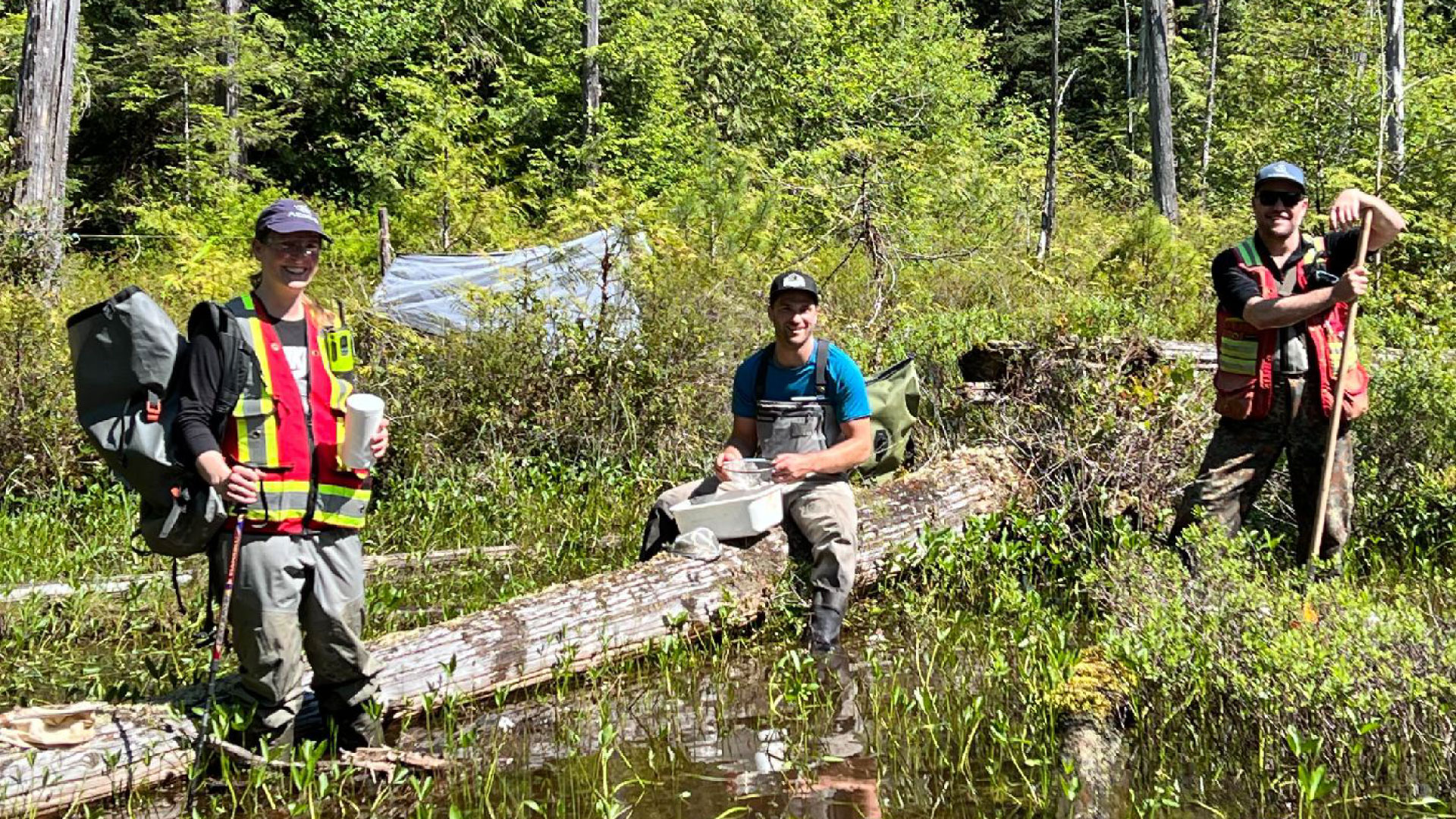

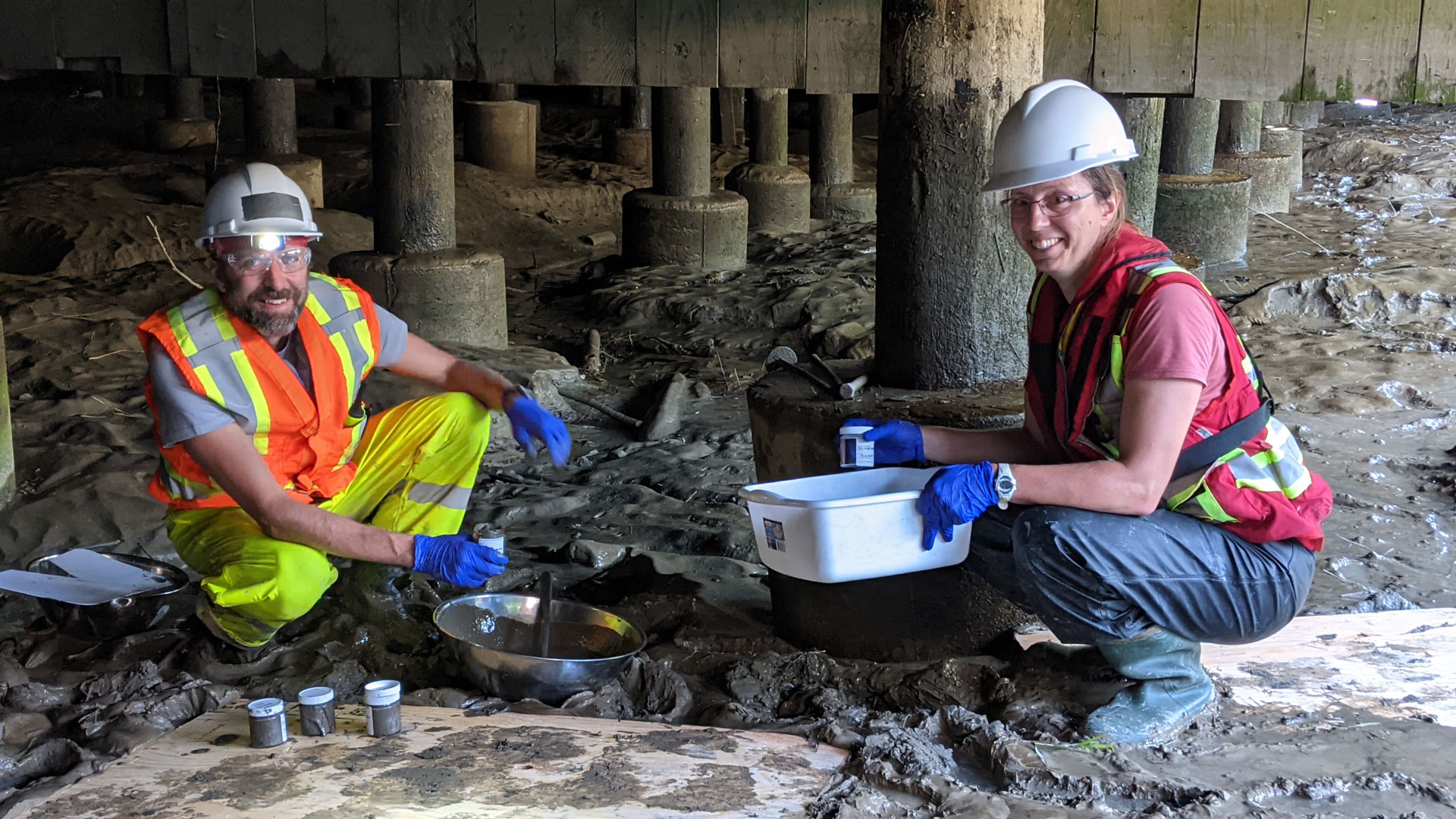
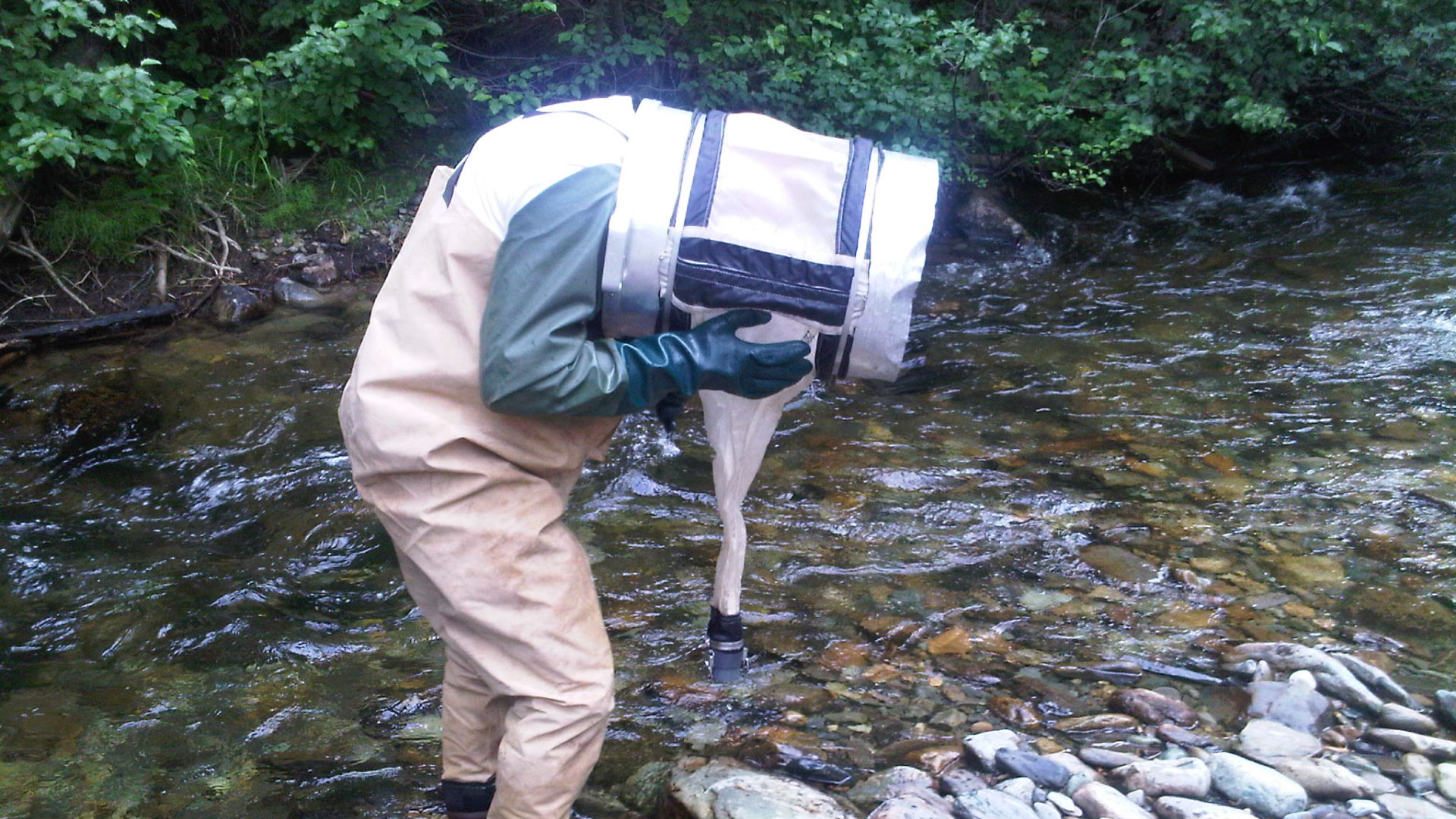
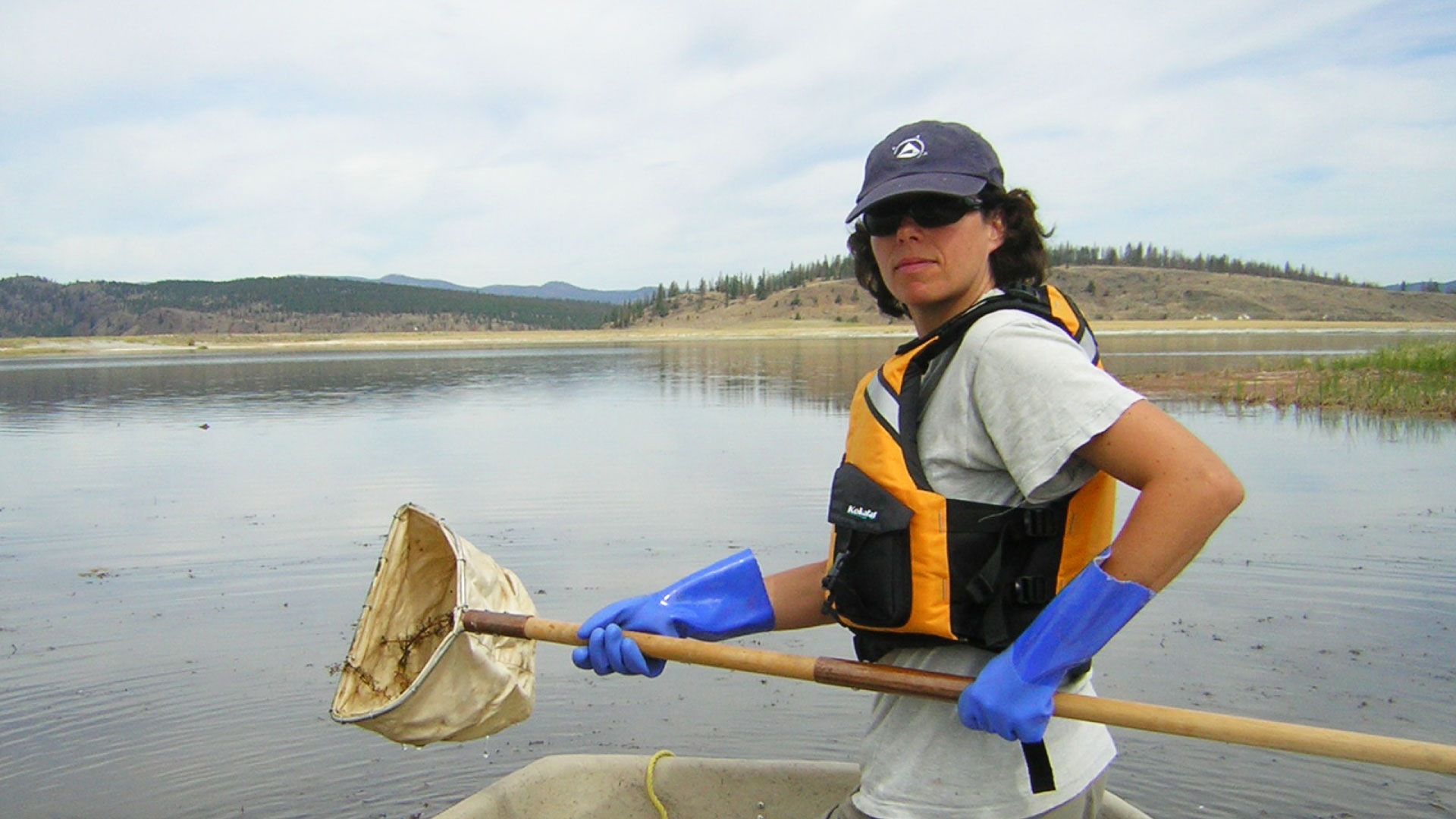
Azimuth Group
Azimuth was created in 2001 as a group of senior scientists that can deliver technical expertise and value to our clients. Azimuth has corporate offices in Vancouver and Sidney, BC. We have project experience in British Columbia, Alberta, Saskatchewan, Ontario, Yukon Territory, and Nunavut.
Our team’s collective backgrounds span biology, ecology, toxicology and chemistry, and among our senior staff we have a Contaminated Sites Approved Professionals Society (CSAP) – Risk Approved Professional, two Diplomates of the American Board of Toxicology (DABT), registered Professional Biologists (BC, AB) and a Qualified Person (SK). For a small firm, we have extensive experience in contaminated site assessment, risk management, impact assessment, ecological and human health risk assessment, and environmental effects monitoring. Our staff have been involved in developing various risk assessment guidance documents (both provincial and federal) providing us with valuable insight into the regulatory frameworks applicable to our client’s projects.
Given our strength in science policy and risk communication, Azimuth is often relied on to engage with communities, listen, and reflect project findings to the public, regulatory agencies, Indigenous organizations/communities and stakeholders. As a result of our adherence to good science Azimuth has built a solid reputation within the environmental industry.
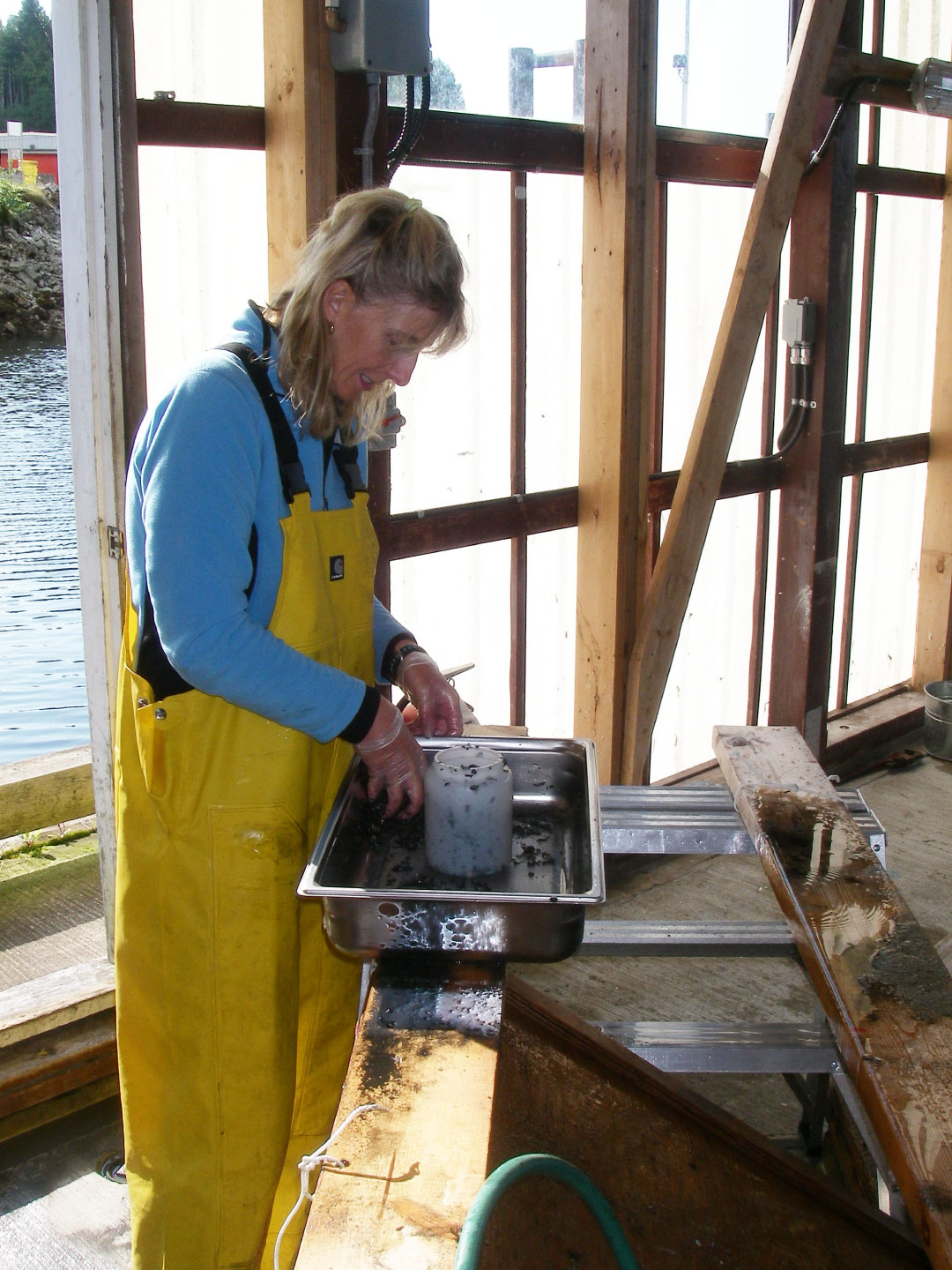

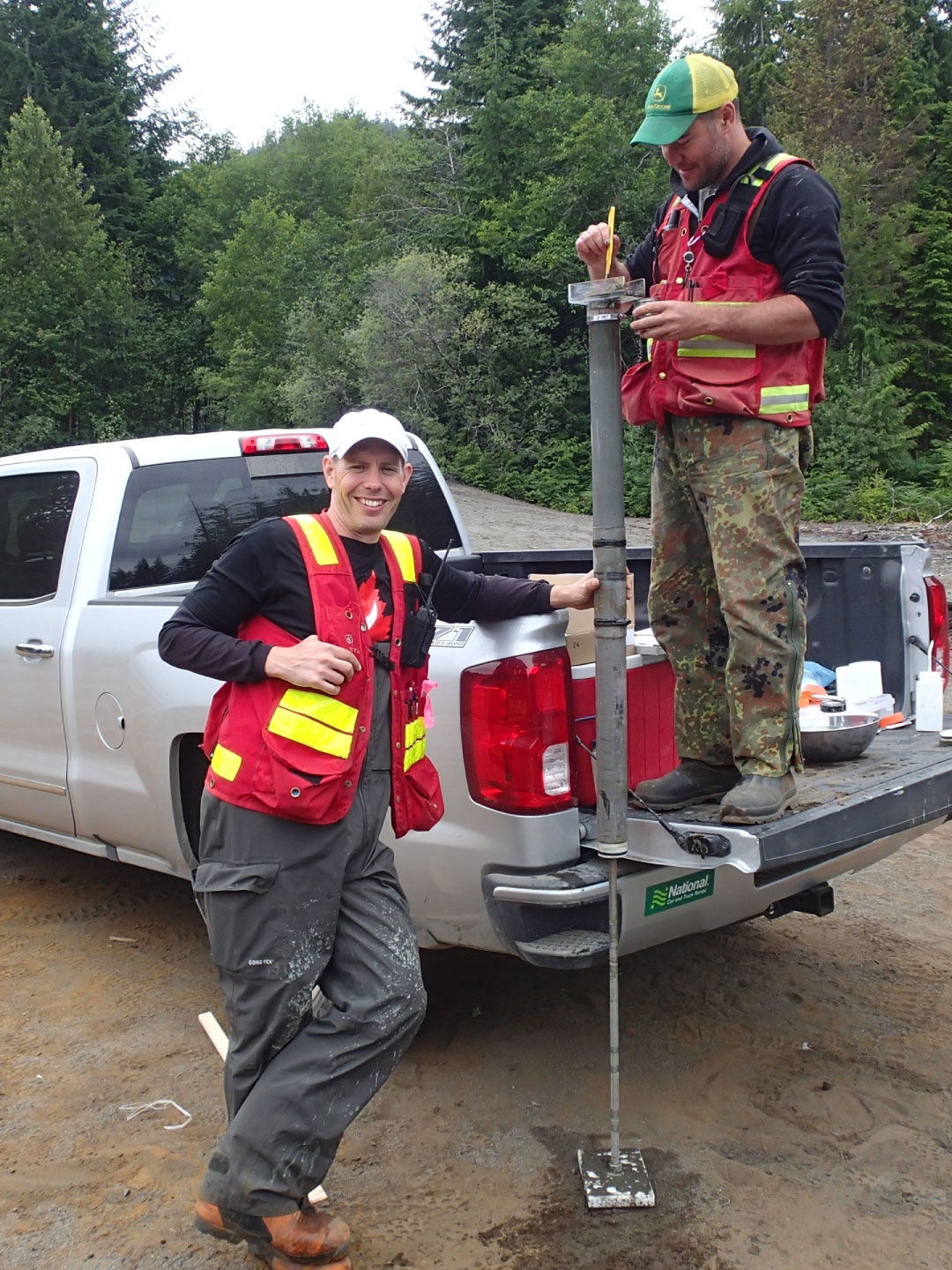

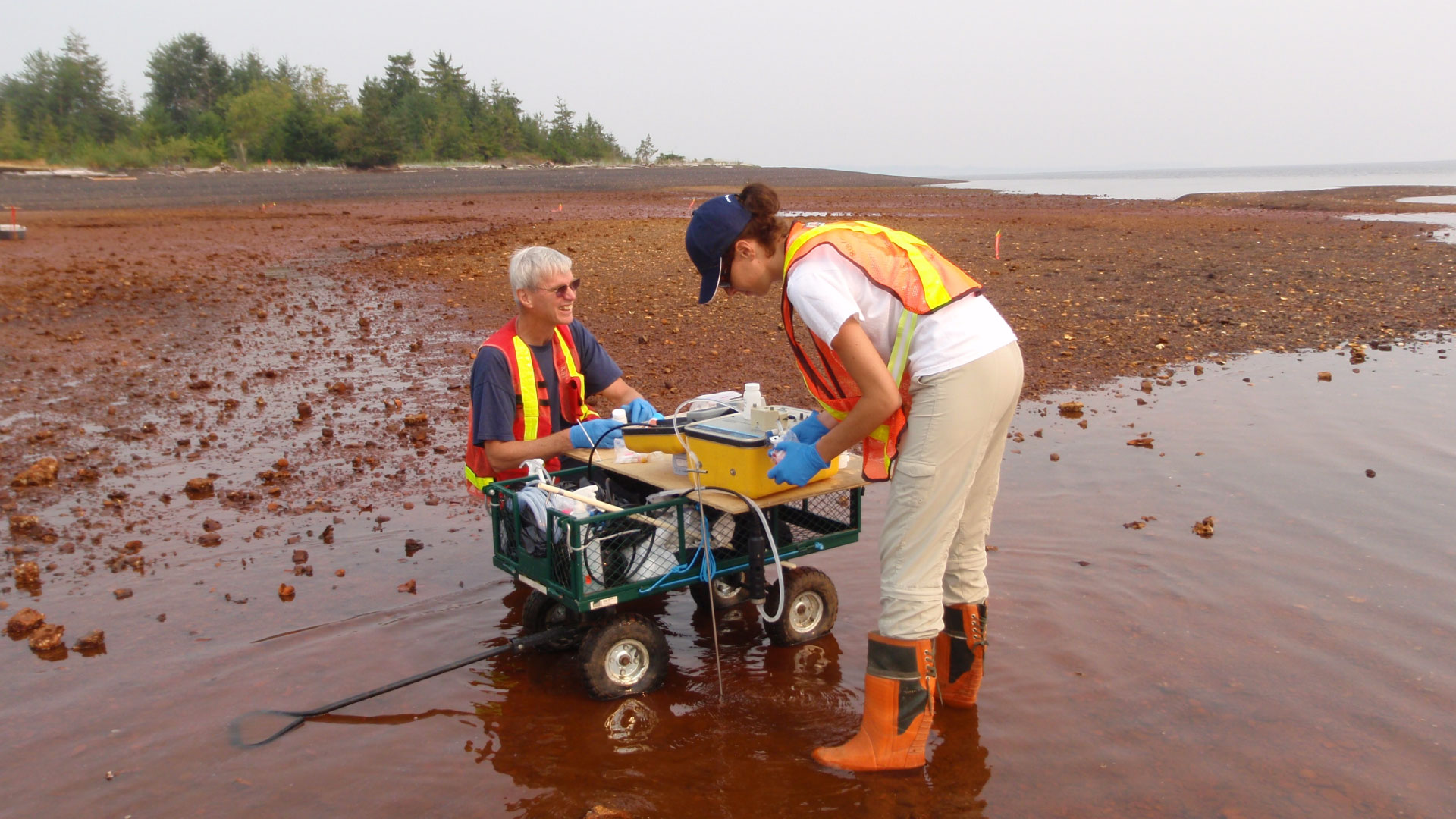

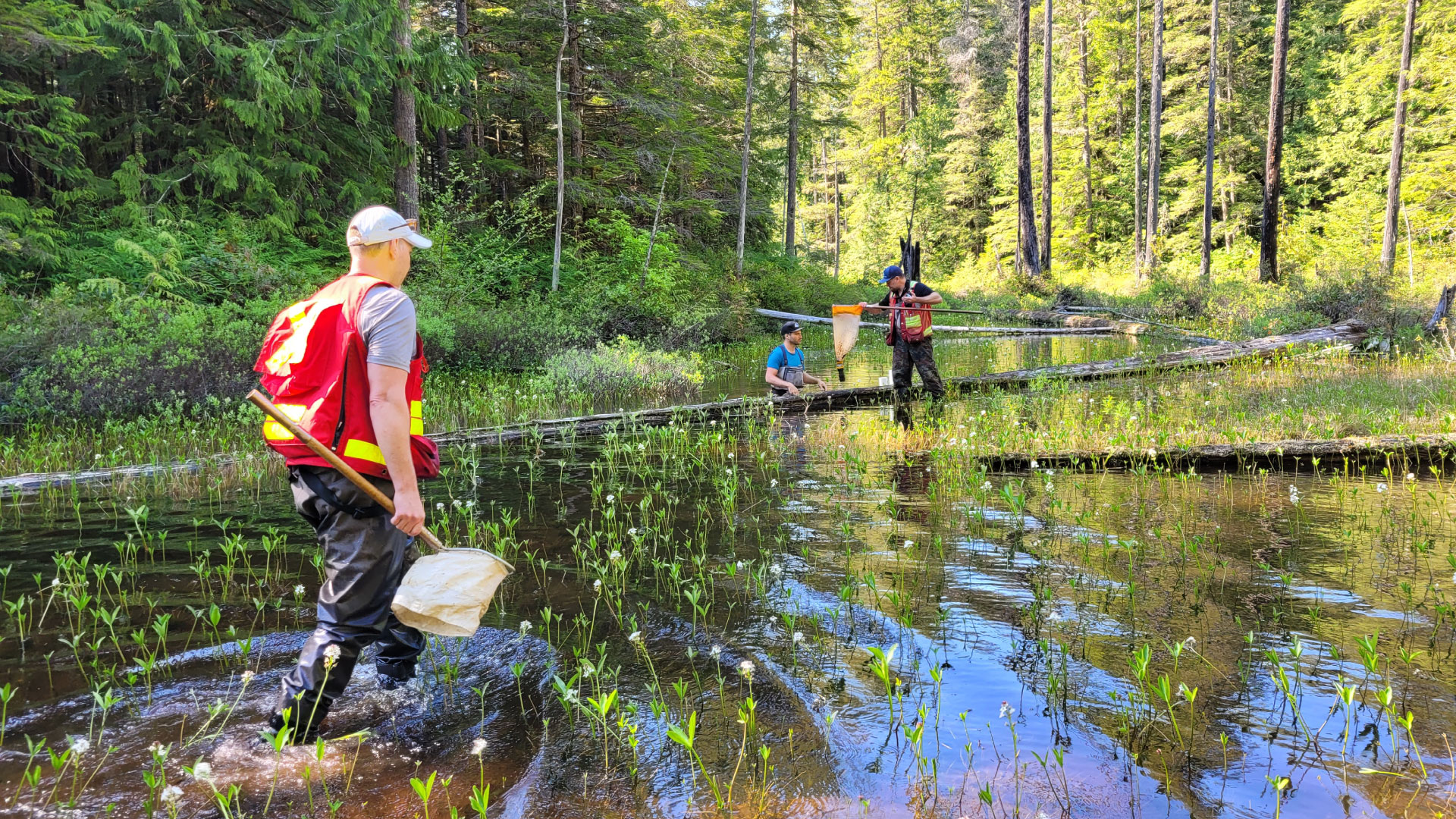
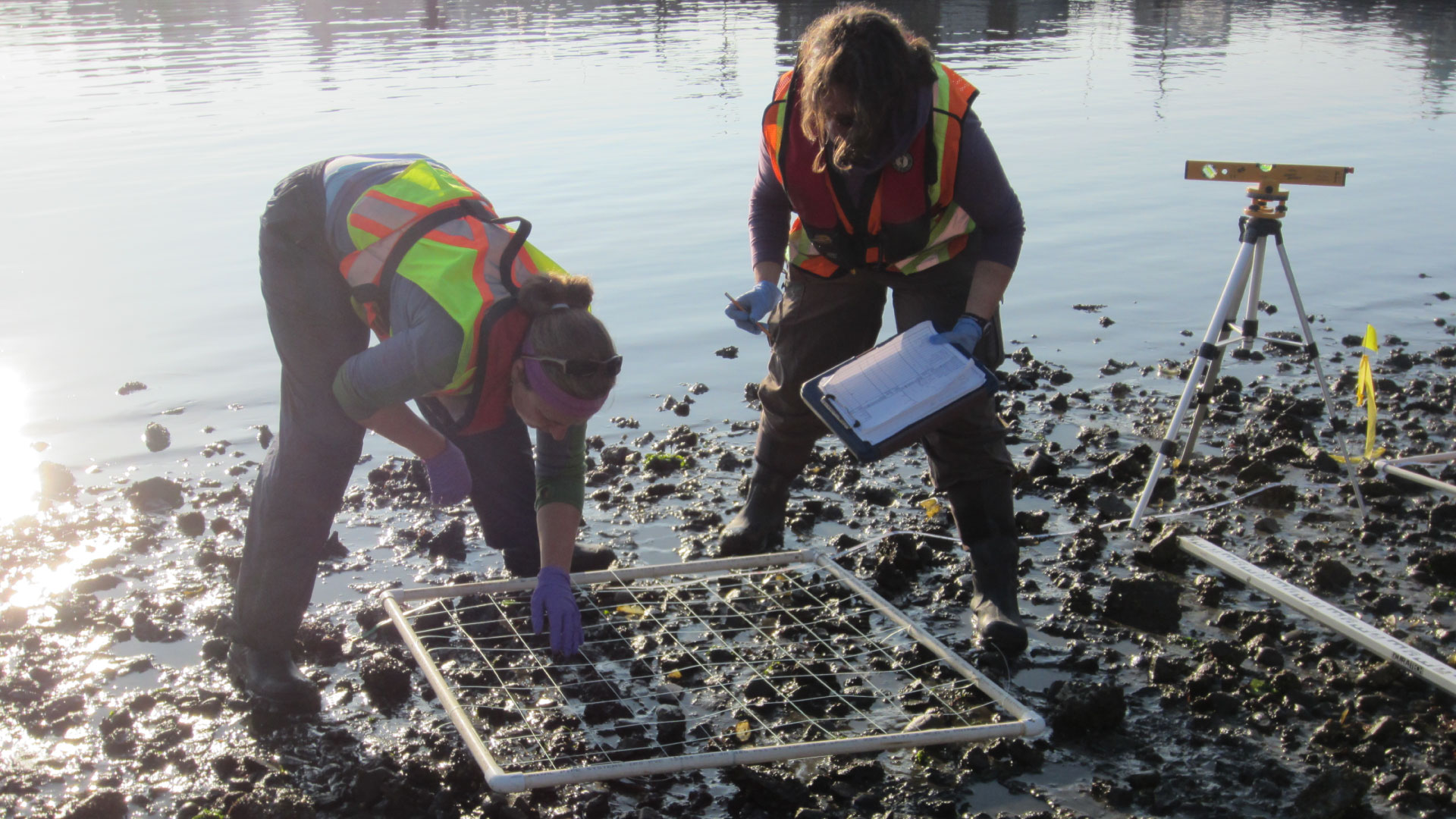
Our Philosophy
Azimuth is built around a shared philosophy…

Our Approach: We provide senior expertise to manage sites from “cradle to grave” to meet our clients’ needs. We understand the regulatory goals and build consensus through sound science and strong communication.

Our Team: We are a group of experienced professionals who like being challenged with complex problems that require innovation and science-based solutions.

Our Clients: Our long-term clients are a testament to our commitment to high quality service, continuity, and solutions that are scaled to their problem.

Our Partners: Azimuth is a great teaming partner for many types of projects. Our services often complement the skill sets of other environmental consulting or engineering firms. We like working with peers from different disciplines to put together the “uber-team”.
Health and Safety
Health and Safety is very important at Azimuth. Our occupational Health and Safety program is maintained and continuously improved through:
- Our Health and Safety committee that regularly updates policies and procedures
- Ongoing and targeted staff training
- Project-specific Health and Safety plans
- Monthly Health and Safety meetings that are attended by all staff and have been held since 2004
- An annual Health and Safety day that is attended by all staff
- Annual safety audit that is externally reviewed
Azimuth obtained a SAFE certification through the BC Forest Safety Council audit and certification process. Through SAFE, Azimuth achieved WorkSafe BC’s Certificate of Recognition (COR) for small employers.
Sustainability
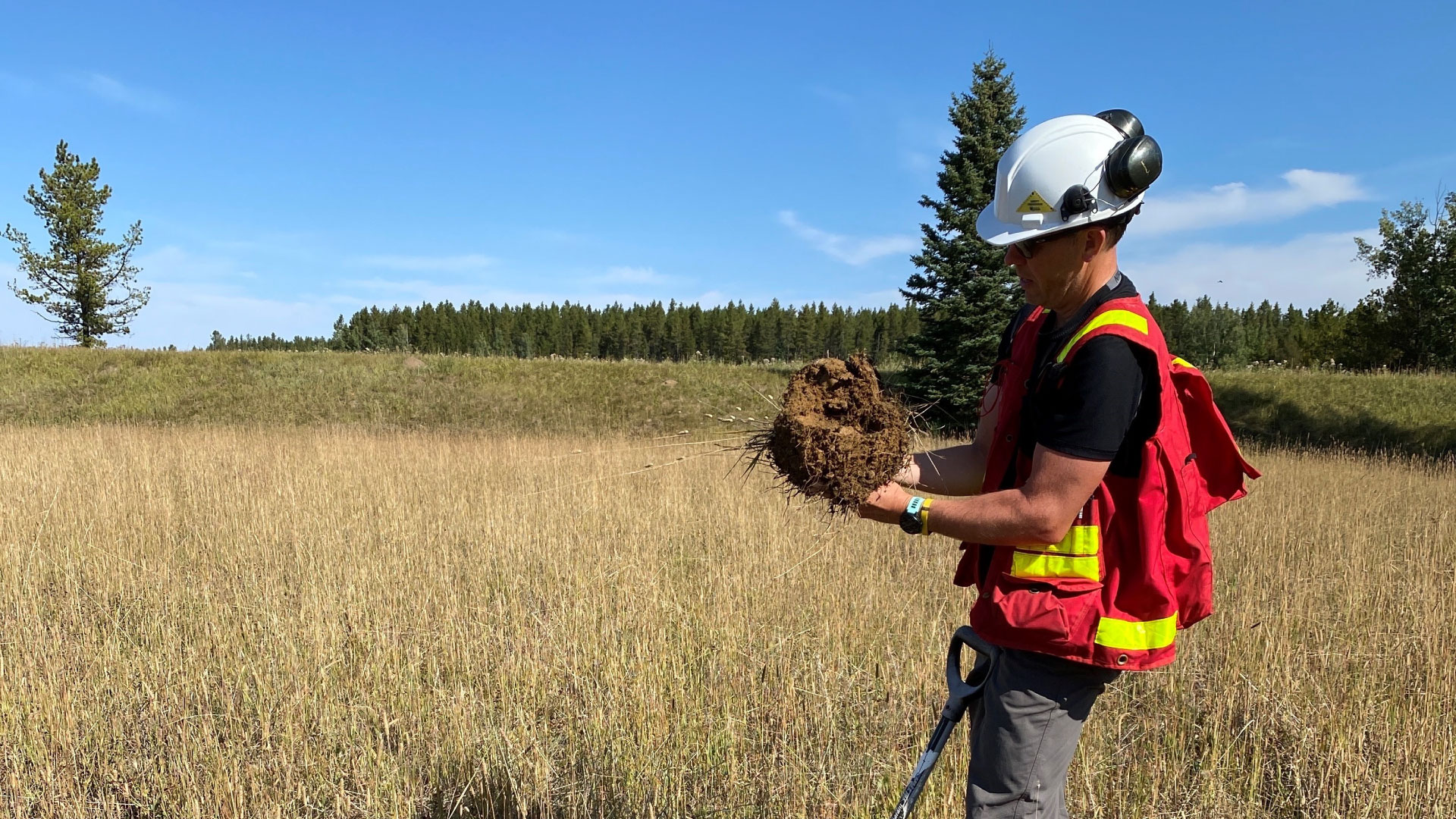
Azimuth has committed to the Net-Zero Challenge to reduce our greenhouse gas emissions across our company operations. Our commitment and plan to reach our target of net-zero is outlined below. The Net-Zero Challenge encourages businesses to develop and implement credible and effective plans to transition their facilities and operations to net-zero emissions by 2050.
Commitment
Azimuth is committed to being net-zero across our scope 1 and 2, and applicable scope 3 categories, by 2050. This commitment is part of our broader effort to reduce greenhouse gas emissions and contribute to a more sustainable future.
Actions
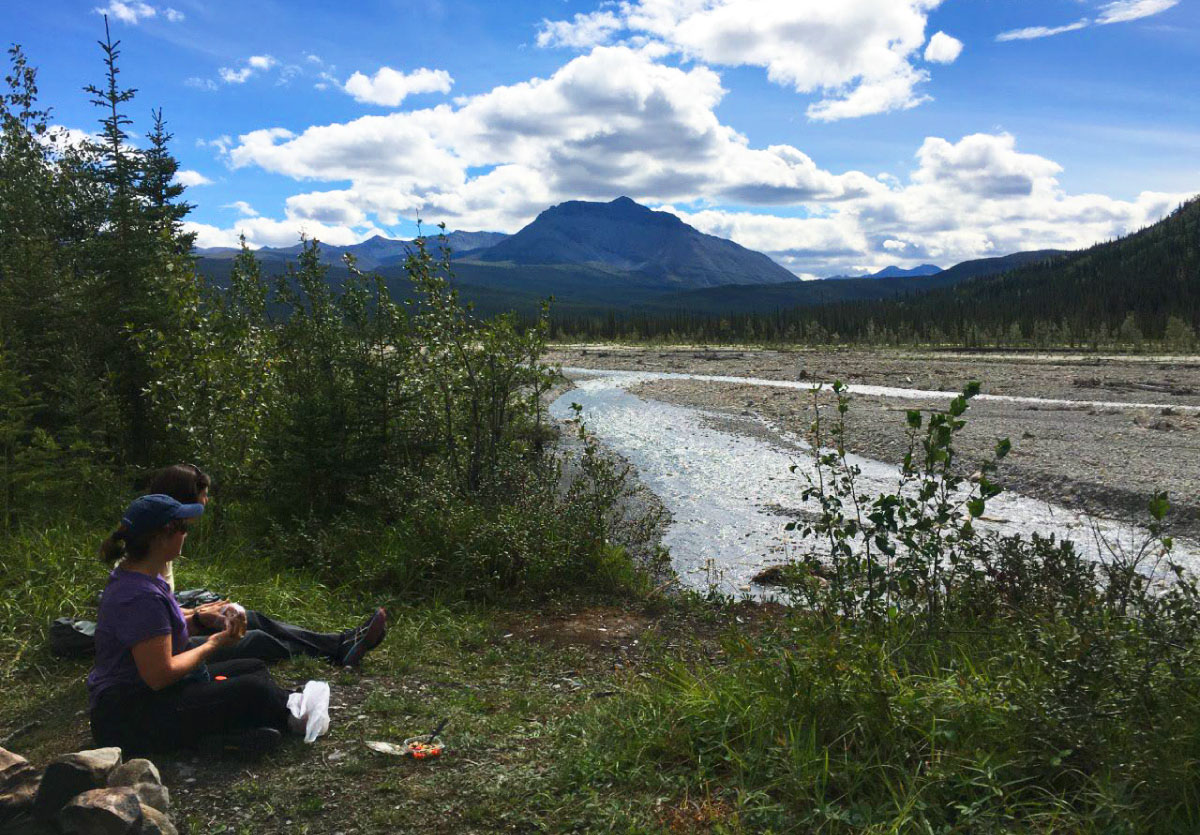
We assessed our company’s emissions across all operations and identified key sources related to our office and field activities. Based on this assessment we identified actionable steps that will help us achieve our net-zero goal. To reduce our emissions, we will:
- Educate our Azimuth team about sustainability and the importance of our net-zero goal.
- Promote energy efficiency by using natural light and turning off lights and computers when not in use.
- Continue to use a compost program and a recycling program for paper, cardboard, plastics, batteries, metals and electronics in our offices wherever possible.
- Allow employees to work from home and promote walking, biking or taking transit to the office.
- Collaborate with local green providers for catering services for company wide functions including Azimuth Day and Health & Safety Day.
- Source office and field supplies, materials, and services from sustainable vendors, where possible.
- Commit to emissions-conscious travel when required for field programs, conferences and meetings.
- Optimize shipping of samples and supplies by consolidating shipments and shipping by ground instead of air, where possible.
- Offset any remaining emissions using accredited carbon offset programs.



Corporate Governance
Management is fully committed to achieving our net-zero targets and implementing the actions outlined in our climate strategy. Our staff, including the executive leadership team, is composed of senior environmental scientists with a strong understanding of climate change risks. Recognizing the importance of these issues, climate-related responsibilities are assigned to senior scientists to ensure informed decision-making at the highest levels.
Our net-zero plan was developed by a member of our Board of Directors, and senior management receives regular updates on emissions performance and progress toward net-zero goals. This governance structure enables Azimuth to integrate climate-related risks and opportunities into core business decisions.
Although Azimuth joined the Net Zero Challenge only recently, we have long prioritized emissions reductions. For example, we have maintained office recycling and composting programs for over 15 years and have supported remote work opportunities for over a decade—well before they became common practice.
Next Steps
We update our net-zero plan and report on our progress annually as part of our commitment to achieving net-zero emissions by 2050. We review the effectiveness of our current strategies to ensure we are on track. This includes staying informed about new technologies, policies, and best practices in sustainability that could further reduce emissions and using this knowledge to modify our net-zero plan and set new goals.